Telangana heavy rains : తెలంగాణకు రెయిన్ అలర్ట్.. రాష్ట్రంలో రెండు రోజులుగా వాతావరణం పూర్తిగా మారిపోయింది. కొన్ని చోట్ల వర్షాలు కురిశాయి. రాష్ట్ర వ్యాప్తంగా పలు ప్రాంతాల్లో ఓ మోస్తరు నుంచి భారీ వర్షాలు కురిసే అవకాశముందని వాతావరణ శాఖ తెలిపింది. బంగాళాఖాతంలో శ్రీలంక సమీపంలో కొమరీన్ ప్రాంతంపై అల్పపీడనం ఏర్పడింది. దీని ప్రభావంతో ఆంధ్రప్రదేశ్ తీరం వరకు వ్యాపించి ఉన్న ఉపరితల ఆవర్తనం కొంచెం బలహీన పడింది. వీటి ప్రభావంతో మూడు రోజుల పాటు తెలంగాణలో పలు చోట్ల ఓ మోస్తరు నుంచి భారీ వర్షాలు కురిసే అవకాశాలున్నాయని వాతావరణ శాఖ వెల్లడించింది.
వాతావరణ మార్పుల కారణంగా అకాల వర్షాలు కురిసి తెలంగాణలో రైతులు తీవ్ర ఇబ్బంది పడ్డారు. వరి ధాన్యం బస్తాలు చాలా చోట్ల తడిసిపోయాయి. పండిన పంట మార్కెట్ కు వెళ్లాల్సిన సమయంలో వర్షం కురవడంతో
సూపర్ స్టార్ రజినీ కాంత్కు ఉన్ క్రేజ్ గురించి ప్రత్యేకంగా చెప్పాల్సిన పనిలేదు.. తలైవా సినిమా కోసం అభిమానులు ఎంతో ఆసక్తిగా ఎదురుచూస్తుంటారు. రజినీకి తమిళంలోనే కాదు.. తెలుగులో యమ క్రేజ్ ఉంటుంది. ఇక రజినీ సినిమా వస్తుందంటే.. పెద్ద పండగే అభిమానులు. ఇప్పటికీ యంగ్ హీరోలకు దీటుగా.. ఏ మాత్రం తగ్గని ఎనర్జీతో వరుస చిత్రాలను చేస్తూ దూసుకుపోతున్నారు రజినీ. తాజాగా రజినీ నటించిన లెటేస్ట్ చిత్రం అన్నాత్తే.. ఈ సినిమానప తెలుగులో పెద్దన్నగా విడుదల చేశారు మేకర్స్. శివ దర్శకత్వం వహించిన ఈ సినిమా సూపర్ హిట్ టాక్ సొంతం చేసుకుంది. అన్నా చెల్లెలు అనుబంధం నేపథ్యంలో తెరకెక్కిన ఈ మూవీలో కీర్తి సురేష్ రజినీ చెల్లెలుగా నటించింది. ఇక తలైవా సరసన నయనతార హీరోయిన్గా నటించగా.. మీనా, ఖుష్బూ కీలక పాత్రల్లో నటించారు.. ఈ సినిమా దీపావళి కానుకగా నిన్న ప్రేక్షకుల ముందుకు వచ్చింది.
Rajini
ఇదిలా ఉంటే.. తమిళనాడులో రజినీ సినిమా వస్తుందంటే పెద్ద పండగే.. తలైవా అభిమానులు చేసే రచ్చ గురించి తెలిసిందే. యూత్ మాత్రమే కాకుండా.. అటు ఫ్యామిలీ ఆడియన్స్ కూడా రజినీ సినిమా అంటే రెట్టింపు సందడి చేస్తుంటారు. ఇక ప్రస్తుతం రజినీ అన్నాత్తే సినిమాతో దీపావళిని మరింత గ్రాండ్గా చేశారు.. ఈ క్రమంలోనే చెన్నైలోని న్యూవే అనే కంపెనీ తమ ఉద్యోగులకు బంపర్ ఆఫర్ ఇచ్చింది. రజినీ నటించిన అన్నాత్తే రిలీజ్ సందర్భంగా నవంబర్ 5న అంటే ఈరోజు తమ ఉద్యోగాలు ఆఫ్ డే లీవ్ ఇస్తున్నట్లుగా ప్రకటించింది. అంతేకాదు.. దీపావళి కానుకలుగా ఉద్యోగులకు అన్నాత్తే మూవీ ఫ్రీ టికెట్స్ ఇస్తున్నట్లుగా అనౌన్స్ చేసింది. ఇంకేముంది ఆ కంపెనీ ఉద్యోగులు తెగ సంతోషపడిపోతున్నారట. నిజాంగానే రజినీ మేనియా ఎంతలా ఉంటుందో అర్థమవుతుంది.
Computers and the Internet have changed the work environment of the world beyond imagination. Computers on taking over a major part of our lives, all our data has got transferred from records and ledgers to computers. Though this kind of shift in working has reduced the physical burden on workers it has also increased the chances of data theft. People involved in stealing data or harming the systems are knowledgeable people with wrong intentions known as Hackers. There are different types of hackers. Let’s take a look at how many types of hackers are there and the types of hacker attacks and techniques.
White Hat Hackers Black Hat Hackers Gray Hat Hackers Script Kiddies Green Hat Hackers Blue Hat Hackers Red Hat Hackers State/Nation Sponsored Hackers Hacktivist Malicious insider or Whistleblower
1) White Hat Hackers White hat hackers are types of hackers who’re professionals with expertise in cybersecurity. They are authorized or certified to hack the systems. These White Hat Hackers work for governments or organizations by getting into the system. They hack the system from the loopholes in the cybersecurity of the organization. This hacking is done to test the level of cybersecurity in their organization. By doing so, they identify the weak points and fix them to avoid attacks from external sources. White hat hackers work as per the rules and regulations set by the government. White hat hackers are also known as ethical hackers.
Motives & Aims: The goals of these types of hackers are helping businesses and an appetite for detecting gaps in networks’ security. They aim to protect and assist companies in the ongoing battle against cyber threats. A White Hat hacker is any individual who will help protect the company from raising cyber crimes. They help enterprises create defences, detect vulnerabilities, and solve them before other cybercriminals can find them.
2) Black Hat Hackers Black hat hackers are also knowledgeable computer experts but with the wrong intention. They attack other systems to get access to systems where they do not have authorized entry. On gaining entry they might steal the data or destroy the system. The hacking practices used by these types of hackers depend on the individual’s hacking capacity and knowledge. As the intentions of the hacker make the hacker a criminal. The malicious action intent of the individual cannot be gauged either can the extent of the breach while hacking
Motives & Aims: To hack into organizations’ networks and steal bank data, funds or sensitive information. Normally, they use the stolen resources to profit themselves, sell them on the black market or harass their target company.
3) Gray Hat Hackers The intention behind the hacking is considered while categorizing the hacker. The Gray hat hacker falls in between the black hat hackers and white hat hackers. They are not certified, hackers. These types of hackers work with either good or bad intentions. The hacking might be for their gain. The intention behind hacking decides the type of hacker. If the intention is for personal gain then the hacker is considered to be a gray hat hacker.
Motives & Aims: The difference is, they don’t want to rob people nor want to help people in particular. Rather, they enjoy experimenting with systems to find loopholes, crack defenses, and generally find a fun hacking experience.
4) Script Kiddies It is a known fact that half knowledge is always dangerous. The Script Kiddies are amateurs types of hackers in the field of hacking. They try to hack the system with scripts from other fellow hackers. They try to hack the systems, networks, or websites. The intention behind the hacking is just to get attention from their peers. Script Kiddies are juveniles who do not have complete knowledge of the hacking process.
Motives & Aims: One standard Kiddie Script attack is a DoS (Denial of Service) or DDoS attack (Distributed Denial of Service). This simply means that an IP address is flooded with too many excessive traffic that it collapses. Consider several Black Friday shopping websites, for instance. It creates confusion and prevents someone else uses the service.
5) Green Hat Hackers Green hat hackers are types of hackers who’re learning the ropes of hacking. They are slightly different from the Script Kiddies due to their intention. The intent is to strive and learn to become full-fledged hackers. They are looking for opportunities to learn from experienced hackers.
6) Blue Hat Hackers Blue Hat Hackers are types of hackers who’re similar to Script Kiddies. The intent to learn is missing. They use hacking as a weapon to gain popularity among their fellow beings. They use hacking to settle scores with their adversaries. Blue Hat Hackers are dangerous due to the intent behind the hacking rather than their knowledge.
7) Red Hat Hackers Red Hat Hackers are synonymous with Eagle-Eyed Hackers. They are the types of hackers who’re similar to white hackers. The red hat hackers intend to stop the attack of black hat hackers. The difference between red hat hackers and white hat hackers is in the process of hacking through intention remains the same. Red hat hackers are quite ruthless while dealing with black hat hackers or counteracting with malware. The red hat hackers continue to attack and may end up having to replace the entire system set up.
Above are 7 types of hackers broadly referred to in the cybersecurity world.
The three types of hackers listed below work in different capacities.
8) State/Nation Sponsored Hackers Government appoints hackers to gain information about other countries. These types of hackers are known as State/Nation sponsored hackers. They use their knowledge to gain confidential information from other countries to be well prepared for any upcoming danger to their country. The sensitive information aids to be on top of every situation but also to avoid upcoming danger. They report only to their governments.
9) Hacktivist These types of hackers intend to hack government websites. They pose themselves as activists, so known as a hacktivist. Hacktivist can be an individual or a bunch of nameless hackers whose intent is to gain access to government websites and networks. The data gained from government files accessed are used for personal political or social gain.
10) Malicious insider or Whistleblower These types of hackers include individuals working in an organization who can expose confidential information. The intent behind the exposure might be a personal grudge with the organization or the individual might have come across the illegal activities within the organization. The reason for expose defines the intent behind the exposure. These individuals are known as whistleblowers. .
Conclusion Information is widely available over the internet. Keen individuals can learn and adapt to them immediately. The intent behind hacking is what sets the hackers apart. The knowledge is used for harming individuals or governments or for personal gain which makes hackers dangerous. The types of hacker attacks vary from organization to organization. The intensity and type of attack are dependent on the hackers’ ability to find the loophole and penetrate the security system. This has put up a huge challenge to organizations and governments to be updated with
Steps for hacking a target mission successfully Many people has curiosity to learn hacking but don’t have any good guidence for how to start and ways to hacking .this blog is helpful to clear all your doubts and confussions.
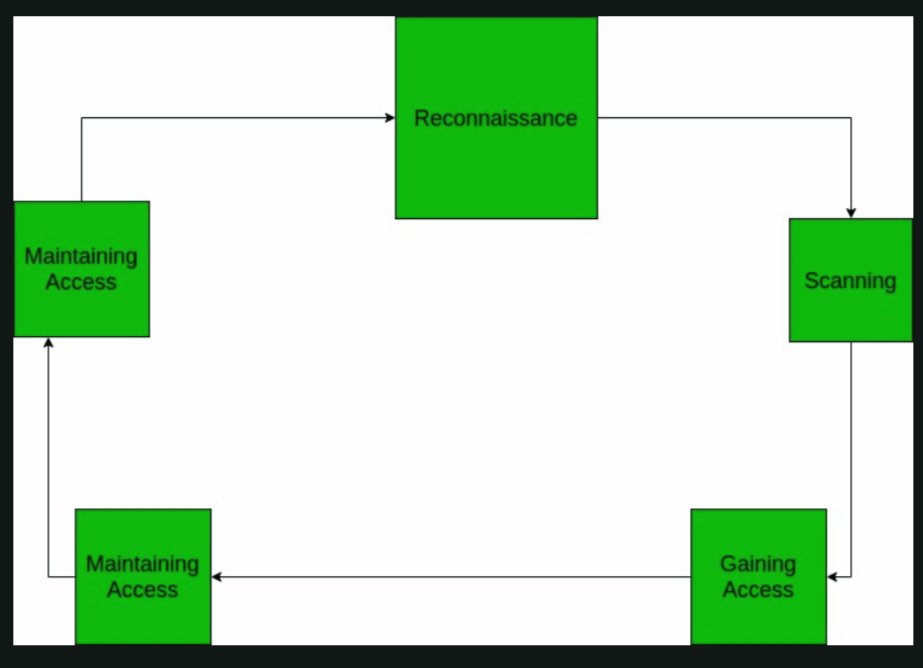
They have mainly five phases for hacking: —————————————————————-
1.Reconnaissance
2.Scanning
3.Gaining access
4.maintaining access
5.Clearing tracks
Flowchart
1. Reconnaissance: This is the first phase where the Hacker tries to collect information about the target. It may include Identifying the Target, finding out the target’s IP Address Range, Network, DNS records, etc. Let’s assume that an attacker is about to hack a websites’ contacts. He may do so by using a search engine like maltego, researching the target say a website (checking links, jobs, job titles, email, news, etc.), or a tool like HTTPTrack to download the entire website for later enumeration, the hacker is able to determine the following: Staff names, positions, and email addresses.
2. Scanning: This phase includes the usage of tools like dialers, port scanners, network mappers, sweepers, and vulnerability scanners to scan data. Hackers are now probably seeking any information that can help them perpetrate attacks such as computer names, IP addresses, and user accounts. Now that the hacker has some basic information, the hacker now moves to the next phase and begins to test the network for other avenues of attacks. The hacker decides to use a couple of methods for this end to help map the network (i.e. Kali Linux, Maltego and find an email to contact to see what email server is being used). The hacker looks for an automated email if possible or based on the information gathered he may decide to email HR with an inquiry about a job posting.
3. Gaining Access: In this phase, the hacker designs the blueprint of the network of the target with the help of data collected during Phase 1 and Phase 2. The hacker has finished enumerating and scanning the network and now decides that they have some options to gain access to the network. For example, say a hacker chooses a Phishing Attack. The hacker decides to play it safe and use a simple phishing attack to gain access. The hacker decides to infiltrate the IT department. They see that there have been some recent hires and they are likely not up to speed on the procedures yet. A phishing email will be sent using the CTO’s actual email address using a program and sent out to the techs. The email contains a phishing website that will collect their login and passwords. Using any number of options (phone app, website email spoofing, Zmail, etc) the hacker sends an email asking the users to log in to a new Google portal with their credentials. They already have the Social Engineering Toolkit running and have sent an email with the server address to the users masking it with a bitly or tinyurl.
Other options include creating a reverse TCP/IP shell in a PDF using Metasploit ( may be caught by spam filter). Looking at the event calendar they can set up an Evil Twin router and try to Man in the Middle attack users to gain access. A variant of Denial of Service attack, stack-based buffer overflows, and session hijacking may also prove to be great.
4. Maintaining Access: Once a hacker has gained access, they want to keep that access for future exploitation and attacks. Once the hacker owns the system, they can use it as a base to launch additional attacks. In this case, the owned system is sometimes referred to as a zombie system. Now that the hacker has multiple e-mail accounts, the hacker begins to test the accounts on the domain. The hacker from this point creates a new administrator account for themselves based on the naming structure and tries and blends in. As a precaution, the hacker begins to look for and identify accounts that have not been used for a long time. The hacker assumes that these accounts are likely either forgotten or not used so they change the password and elevate privileges to an administrator as a secondary account in order to maintain access to the network. The hacker may also send out emails to other users with an exploited file such as a PDF with a reverse shell in order to extend their possible access. No overt exploitation or attacks will occur at this time. If there is no evidence of detection, a waiting game is played letting the victim think that nothing was disturbed. With access to an IT account, the hacker begins to make copies of all emails, appointments, contacts, instant messages and files to be sorted through and used later.
5. Clearing Tracks (so no one can reach them): Prior to the attack, the attacker would change their MAC address and run the attacking machine through at least one VPN to help cover their identity. They will not deliver a direct attack or any scanning technique that would be deemed “noisy”. Once access is gained and privileges have been escalated, the hacker seeks to cover their tracks. This includes clearing out Sent emails, clearing server logs, temp files, etc. The hacker will also look for indications of the email provider alerting the user or possible unauthorized logins under their account.
Most of the time is spent on the Reconnaissance process. Time spend gets reduced in upcoming phases. The inverted triangle in the diagram represents a time to spend in subsequent phases that get reduced.





 phases of hacking